
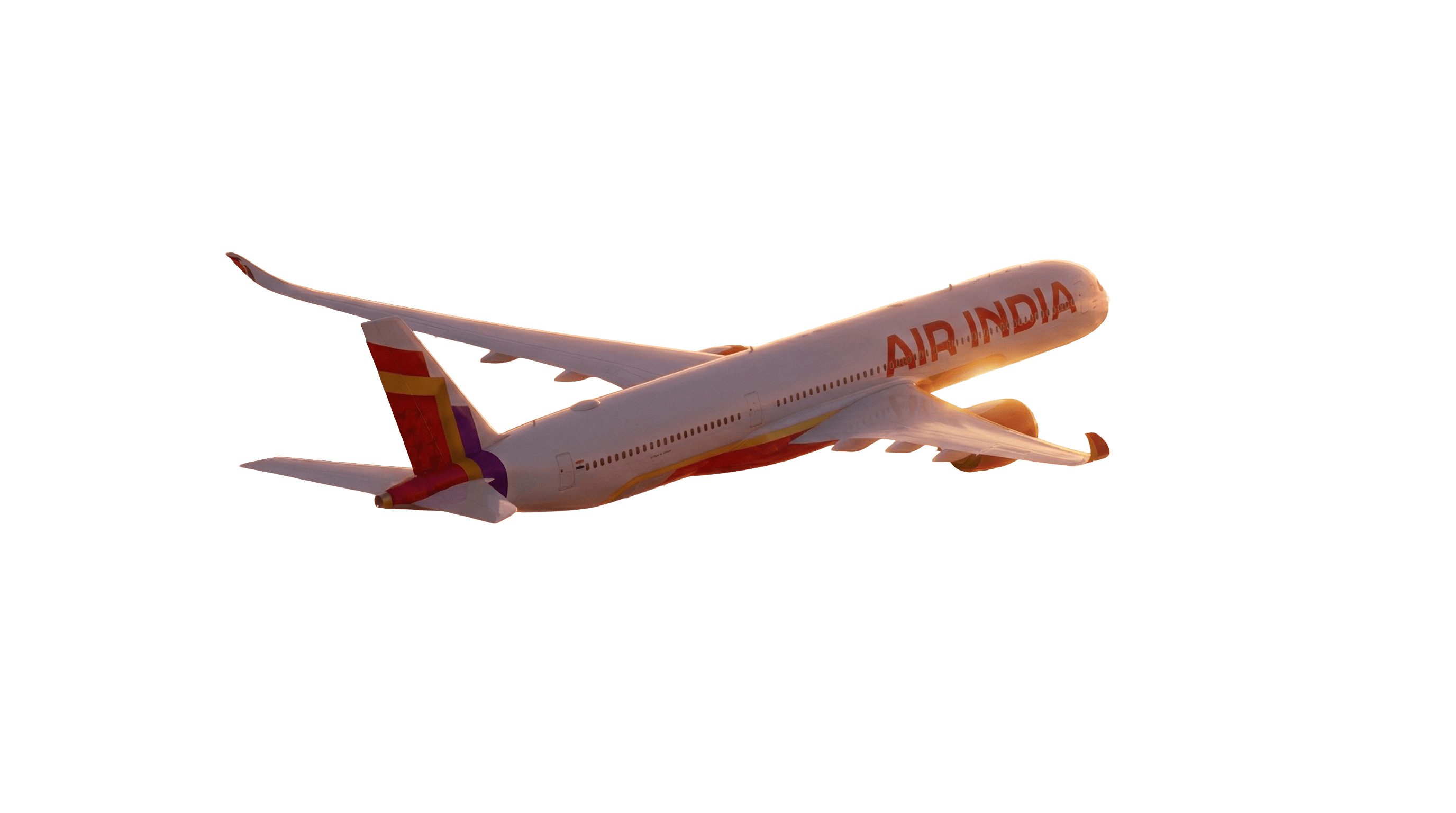

01 — Context
A $200M transformation with no design foundation
Air India wasn't a typical design system project. There was no “legacy system to modernize” — there was simply nothing. Four airlines (Air India, Air India Express, Vistara, AirAsia India) were merging simultaneously, each with different tech stacks, brand languages, and organizational cultures. Engineering teams were shipping without design specs. Product decisions were being made in silos. The DesignLAB was a newly formed team trying to establish credibility within an organization that had operated without dedicated design for decades.
The constraint wasn't just technical — it was political. Every system decision carried implications for which airline's patterns would survive the merger. Every token name was a negotiation. I had to build infrastructure that was technically sound while navigating the human complexity of four organizations becoming one.
02 — My Role & Scope
IC with the scope of a lead
Product Designer at Air India DesignLAB, reporting into a small but high-autonomy team within the $200M digital transformation initiative. While my title was IC, the reality was broader — I identified infrastructure gaps, built consensus with engineering leads and product managers across airline teams, then designed and shipped the solutions. My work sat at the intersection of design systems, developer tooling, and AI integration.
Built Solo
Pixel Radar — a Figma QA plugin now used by 450+ designers daily. Token architecture from zero. Competitive analysis frameworks across 12 airlines.
Led & Influenced
AI-powered search experience. In-flight entertainment system redesign. MCP-based design-to-dev handoff workflow. Liftoff — an internal mentorship program I initiated and ran.
03 — Problem 01
No shared language between design and engineering
The Situation
Designers used one set of color names, engineers used hex codes, and PMs referenced brand guidelines that didn't match either. Components were being rebuilt from scratch for every feature because there was no token system, no source of truth. The four merging airlines made this exponentially worse — Vistara's “primary blue” was not Air India's “primary blue.”
My Approach
I audited every screen across all four airline apps — 200+ screens — catalogued every unique value (colors, spacing, type sizes, radii) and mapped them against the new unified brand guidelines. Instead of proposing a token system top-down, I built a working prototype first: a small set of semantic tokens applied to one real feature, then demoed it to engineering leads to show the reduction in back-and-forth.
Interactive — Explore the Token System
The Decision & Why
I chose semantic tokens over primitive-only because the merger meant brand values would keep changing — semantic naming let us swap foundations without touching component code. This was a harder sell initially because it required engineers to learn a new naming convention, but I built the case by showing how many production bugs traced back to hardcoded values. Three engineering leads signed off after seeing the prototype reduce spec-to-code discrepancies in a pilot feature.
Interactive — Scalable Design System
04 — Problem 02
QA was a manual, error-prone bottleneck
The Situation
Design QA was happening through screenshots in Slack threads. Designers would eyeball implementations and flag issues in comments. With 10M+ annual users, pixel-level inconsistencies at scale meant degraded trust in a brand trying to reposition itself as premium. The team was spending ~30% of sprint time on QA back-and-forth.
My Approach
I scoped the most common QA failures — spacing mismatches, wrong color tokens, font-weight errors, missing states — and realized 70% of issues were mechanically detectable. Instead of advocating for a better process (more meetings, more checklists), I built a tool. Pixel Radar is a Figma plugin I designed and coded (5,000+ lines) that automates visual QA against the token system.
Interactive — Run the Analysis
Interactive Prototype
The Decision & Why
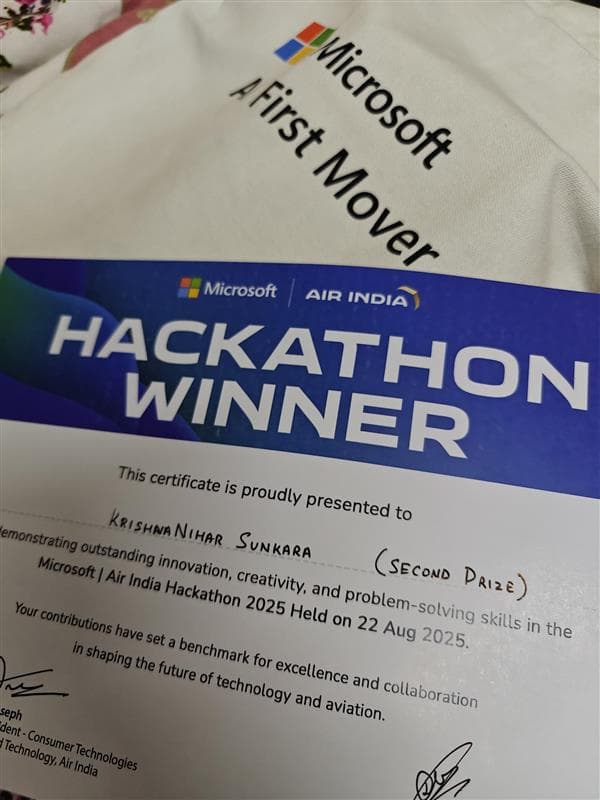
I built it as a Figma plugin rather than a standalone tool because adoption was the real challenge — the team was already in Figma. I chose to scope v1 tightly: only token compliance checks, no subjective quality metrics. This let me ship in 48 hours during an internal hackathon (which we won, in a Microsoft-partnered event), prove value immediately, and iterate based on real usage. The plugin now serves 450+ daily active users across the design org.
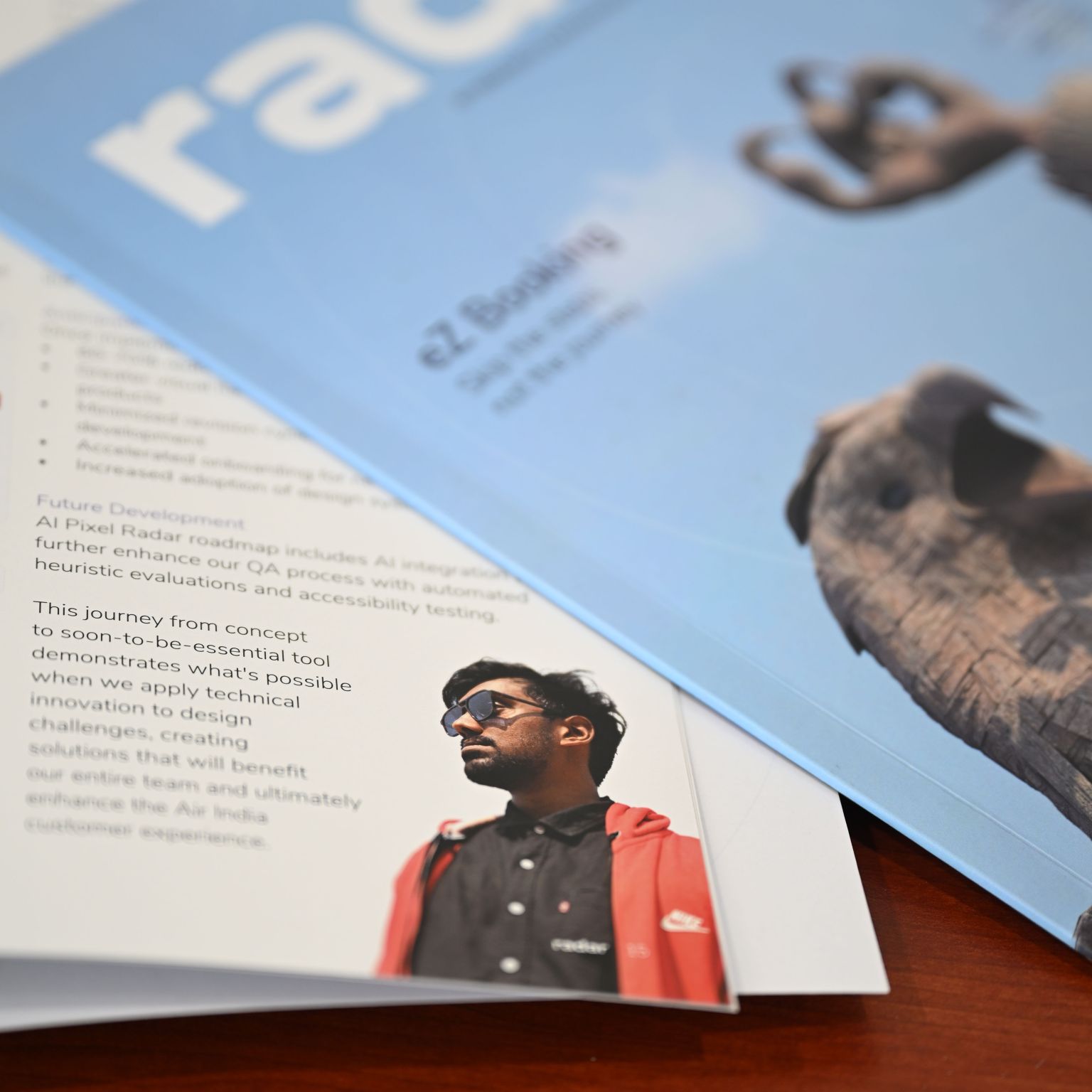
Featured in Magazine
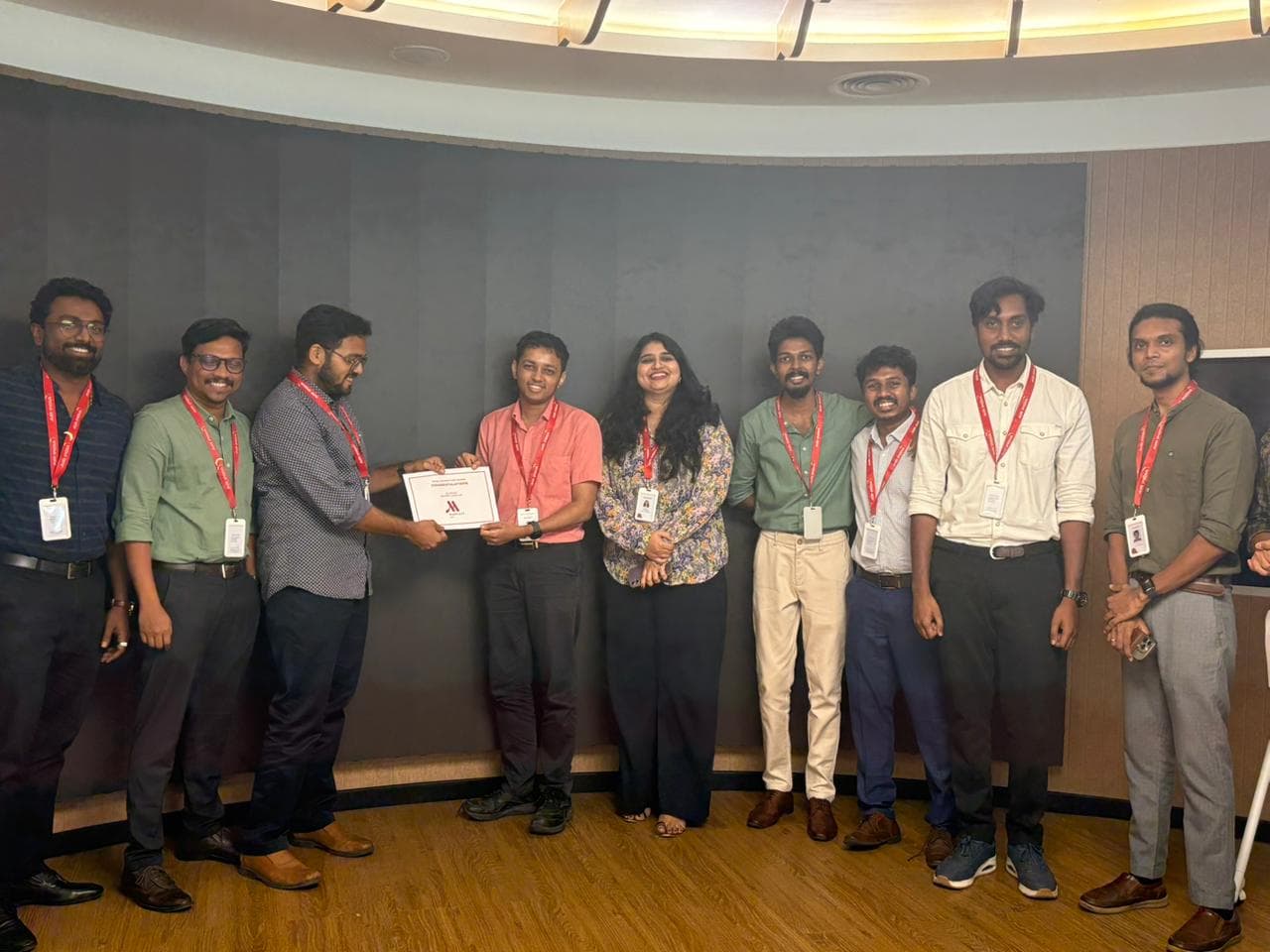
The Pixel Radar Figma plugin was recognized and featured in our internal design magazine for its contribution to maintaining visual consistency across Air India's digital products.
05 — Problem 03
AI integration without established playbooks
The Situation
Leadership wanted “AI in the product” but there were no internal frameworks for when AI added value vs. when it added complexity. The search experience — a core user flow touching millions of queries — was identified as the first AI integration point. But the risk was high: a bad AI search experience on a travel booking platform directly impacts revenue.
My Approach
I ran a competitive analysis across 12 airlines and adjacent travel platforms to map the landscape of AI-assisted search. Then I framed the problem not as “add AI to search” but as “reduce time-to-relevant-result” — this reframing helped the team evaluate AI as one tool among several rather than a mandate. I designed three fidelity levels: rule-based suggestions, hybrid (rules + ML ranking), and full generative search, with clear trade-offs for each.
The Decision & Why
I advocated for the hybrid approach because it balanced personalization gains with the predictability that a booking flow demands. Pure generative search introduced too much variability for a transaction-critical path — users need to trust that search results map to real, bookable inventory. The hybrid model let us use AI for intent understanding and ranking while keeping results grounded in structured data. This became the shipped approach and contributed to the team's Opus Research recognition as the industry's first Gen AI integration.
AI-First Customer Experience
World's First Airline Gen AI Integration
Air India became the first airline globally to deploy generative AI at scale. I led the design of two flagship features — AI.g (the virtual agent handling 7M+ queries) and eZ Booking (Red Dot 2024 winner for conversational booking).
7M+
AI Queries Handled
Since May 2023
97%
Fully Automated
No human escalation
30K
Daily Conversations
Across 1,300 topics
$2M+
Annual Savings
Contact center costs
eZ Booking
My Role
Supporting role on the conversational booking flow. Contributed to the multi-modal interaction paradigm (voice + text + visual) that won the Red Dot 2024. Patent pending.
AI.g Agent

My Role
Supporting role on conversational UX patterns and escalation flows. AI.g handles 7M+ queries — with Opus Research recognition for industry-first Gen AI.
AI Search
My Role
Led the AI-powered destination discovery experience. Designed natural language search with personalized flight options and travel insights end-to-end.
Try the live experience
Research & Process
Competitive Analysis
Analyzed 12 airline apps + 8 travel platforms to map AI integration landscape. Identified gap: no airline had true conversational booking.
User Research
Conducted 24 user interviews across frequent flyers, first-time bookers, and accessibility needs. Core insight: 70% wanted voice input for complex bookings.
Rapid Prototyping
Built 3 fidelity levels (rule-based → hybrid → full generative) with clear trade-offs. Hybrid approach selected for transaction-critical paths.
Also During This Period
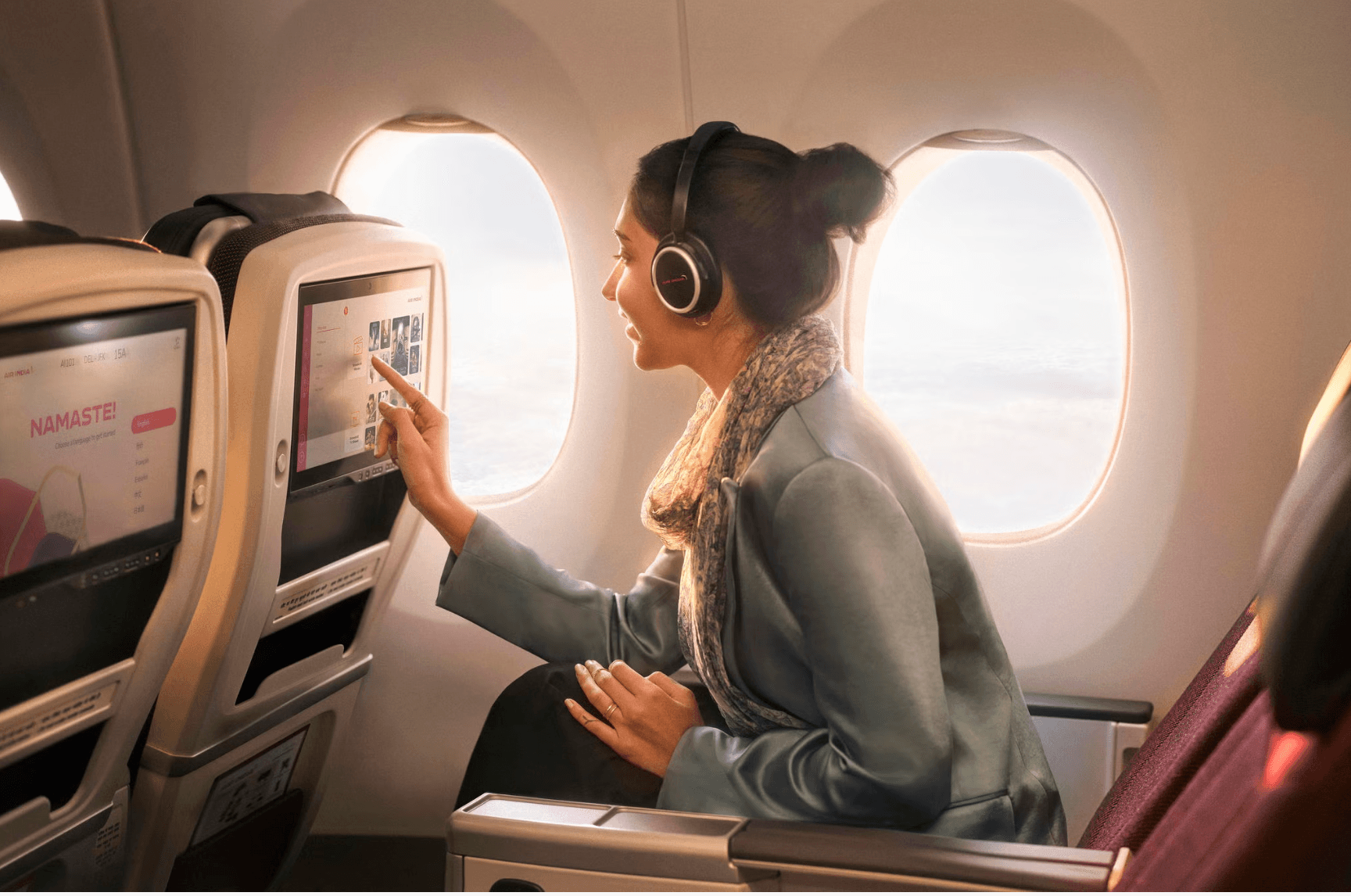
Led the redesign of the in-flight entertainment system — 44px touch targets, WCAG AA compliance, 12-language support — shipping on A350 aircraft.
🎯
44px
Touch Target
🔆
Auto
Brightness
♿
WCAG AA
Accessible
🌍
12
Languages
06 — How I Work
Principles that shaped every decision
Working inside a merger taught me that design infrastructure is 30% craft and 70% organizational design. Every technical decision — naming conventions, tooling choices, documentation formats — is also a political decision about whose workflows get preserved and whose get disrupted.
Build the prototype, then build consensus
Proposals get debated forever; working prototypes get adopted. Every major initiative — token system, Pixel Radar, MCP handoffs — started as something I built and demoed to stakeholders. This wasn't about going rogue; it was about reducing the abstraction barrier so cross-functional teams could evaluate ideas based on reality, not speculation.
Document as if you'll leave tomorrow
In a merger environment with high turnover risk, I treated documentation as a first-class design artifact. Every system I built came with written rationale — not just “what” but “why this and not that.” The Liftoff mentorship program I initiated was partly about knowledge distribution: ensuring design thinking wasn't concentrated in any one person.
Scope ruthlessly, ship fast, earn trust, expand
Pixel Radar v1 did exactly one thing. The token system started with one feature. The AI search launched as a hybrid, not full generative. In an organization with deep institutional skepticism toward “design,” the fastest path to influence was demonstrable, narrow wins that compounded into strategic credibility.
In Practice — Dev Handoff
Design systems only matter if engineering implements them accurately. Handoff at Air India was fragmented — Figma links in Slack threads, specs that didn't match builds, endless back-and-forth. I implemented a design-dev handoff workflow using Model Context Protocol — bridging design and engineering through AI-assisted tooling.
Interactive — MCP Handoff Pipeline
EARLY ADOPTERQ1 2025
Bridging Design-Engineering Handoff
3x
Faster
75%
Accuracy
0
Manual Docs
◇
FIGMA DESIGN
Components • Variables • Styles
⚡
MCP SERVER
get_design_context() • get_variables()
◉
AI AGENT
Claude 4.5 • Cursor
</>
CODE OUTPUT
<Button /> • Tokens Applied
CONTEXT STREAM
{ "component": "Button",
  "tokens": { "color": "--brand-red" }}
Watch Pipeline Demo
Adopted byAnthropicFigmaCursor
07 — Outcomes
What changed because of this work
My Direct Contributions
450+
Daily Pixel Radar users
0 → adopted org-wide
~30%
QA time reduced
automated compliance
7M+
AI.g queries handled
97% fully automated
5K+
Lines of code
Pixel Radar plugin
Business & Platform Impact
4.7★
App Store rating
best Indian airline
4M+
App downloads
iOS + Android
39%
Domestic growth
passenger increase YoY
1st
Gen AI in airline
Opus Research certified
Team Recognition During My Tenure
Red Dot Design Award (displayed in Singapore Museum), Gold Stevie Award (first Indian airline), APEX Four Star (Most Improved Airline), World Travel Award for Asia's Leading IFE, and Opus Research recognition for industry's first generative AI integration. These are team achievements — I contributed to the design infrastructure and AI work that supported them.
08 — Reflections
What I'd do differently
I over-indexed on building and under-indexed on storytelling internally. Pixel Radar's adoption was organic — designers found it useful and told others — but I could have accelerated adoption by six months if I'd invested in internal documentation and onboarding materials earlier. The tool's value was obvious once people used it, but getting people to try it required more deliberate change management than I initially gave it.
I'd also push harder for design system governance earlier. We built the tokens and components, but the adoption patterns were inconsistent across teams because we didn't establish clear contribution and consumption guidelines. In a merger, governance feels bureaucratic — but without it, the system fragments as fast as you build it.
The biggest lesson: in enterprise design, the system you build is only as good as the organization's ability to maintain it after you leave. I spent my final months focused on documentation and the Liftoff program precisely because of this realization.